When it is time for a roof replacement, choosing the right material matters as much as choosing the right contractor. Here is a breakdown of the roofing materials most used in U.S. homes today, with guidance specific to Central Florida conditions.
Why the material choice matters
Your roof protects the house, affects energy efficiency and contributes to resale value. The right material reduces maintenance, lasts longer and stands up to Florida's particular combination of heat, humidity and wind.
Asphalt shingle
The most common choice nationally and the most affordable up front. Architectural shingles offer better durability, appearance and warranty coverage than basic three-tab. The trade-off in Florida is service life, which is shorter here than in milder climates.
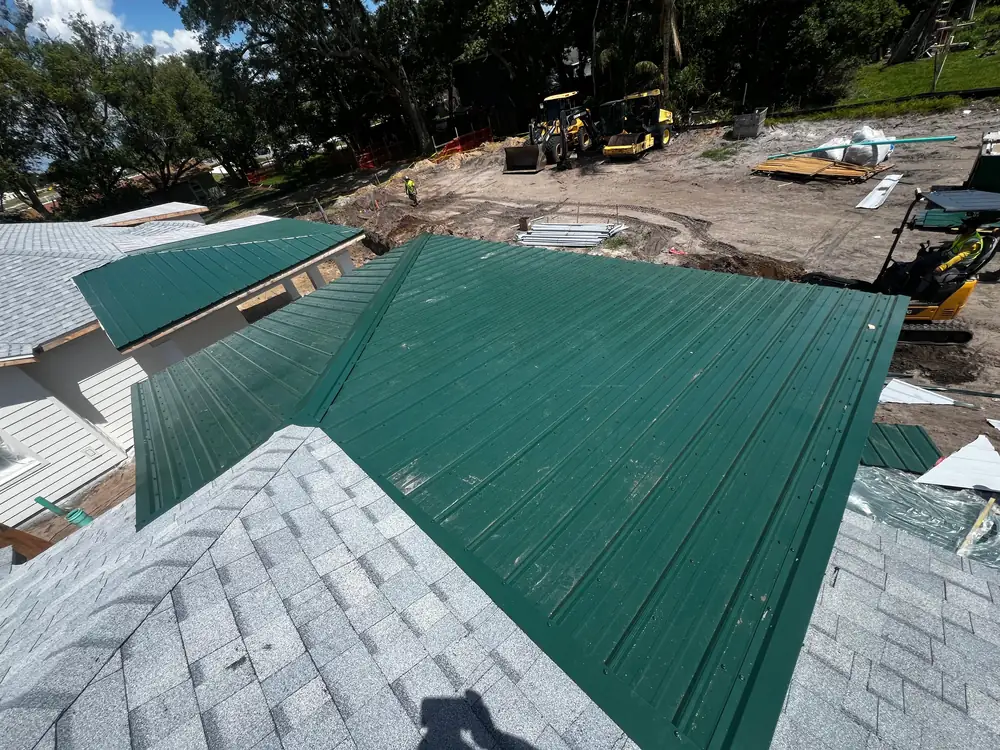
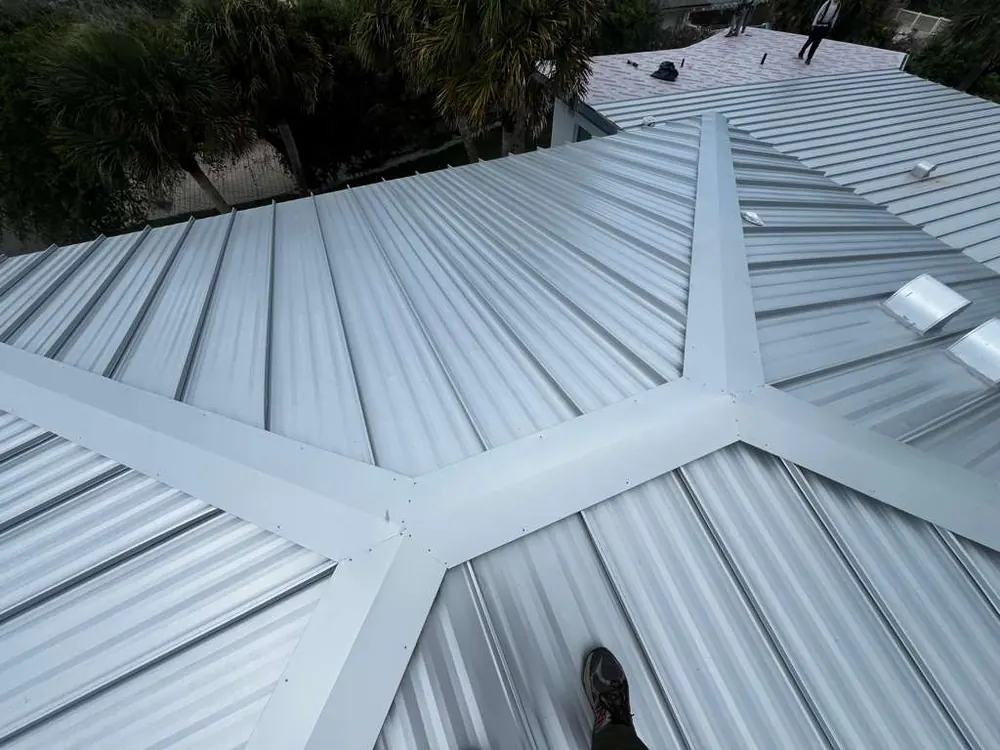
Metal
The strongest practical answer to hurricane season. Standing seam systems with concealed fasteners carry the highest wind ratings, reflect solar heat rather than absorbing it, and last decades. Higher up-front cost, better lifetime maths for homeowners staying long-term.
Tile
Concrete and clay tile suit Mediterranean and Spanish architecture and perform well against both wind and impact. The tile itself is extremely long-lived; the underlayment beneath is usually what ages out and drives the eventual work.
How to choose
Weigh how long you plan to stay, the architecture of the house, your exposure to wind, and what your insurer credits. A material that is ideal for a lakefront property with high wind fetch is not automatically right for a sheltered inland lot.